Gladiators Were Not Ripped: The High-Carb Fat Defense
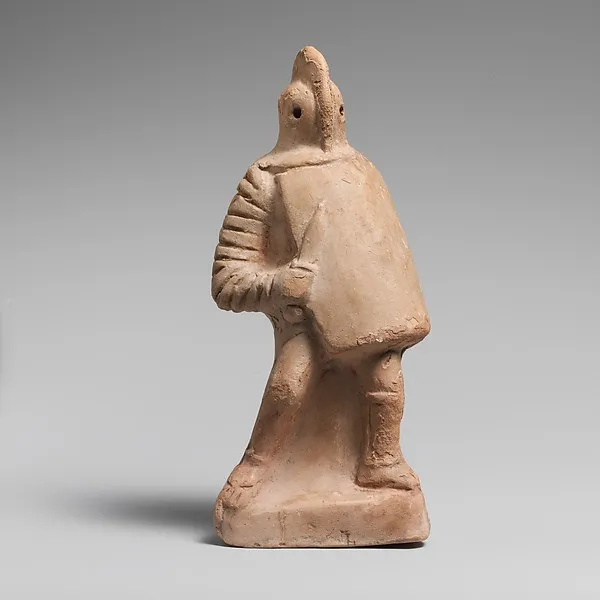
THE MOVIE VERSION
Cinema depicts arena fighters with the shredded musculature and single-digit body fat of modern fitness athletes.
THE RECORD
REF #001Skeletal isotopes from Ephesus reveal a carbohydrate-heavy diet of barley and beans that built protective fat over muscle.
Roman gladiators did not look like dehydrated fitness models. Chemical analysis of sixty-seven skeletons from the gladiator cemetery at Ephesus, published by Sandra Lösch and Fabian Kanz in 2014, proves that professional arena combatants consumed a carbohydrate-heavy, plant-dominated diet engineered to generate subcutaneous fat over thick muscle tissue. This physiological reality contradicts modern visual media, which routinely populates ancient arenas with lean, chiseled athletes.
The Claim
A gladiator with five percent body fat was an operational failure. Modern cinema portrays arena fighters with sculpted abdomens and zero surface fat. In the brutal economics of Roman bloodsport, that physique meant early death. When a fighter lacks subcutaneous fat, any shallow blade slash tears motor nerve branches and severs major capillary networks, ending the contest in seconds.
To survive the sand, an arena fighter needed a physical shield between iron edges and vital anatomy. Roman lanistae understood this requirement. They did not feed their recruits meat or pursue modern athletic aesthetics. They fed them vast quantities of coarse barley and legume porridge. This nutritional regimen produced a thick, sturdy body composition with an insulating blanket of fat that absorbed glancing blade contact without stopping the fighter.
SOURCE: Pliny the Elder, Naturalis Historia 18.14
Ancient Roman writers knew this physique well. Roman historians did not describe gladiators with words denoting lean elegance. They called them by a culinary epithet: hordearii, which translates directly to barley-men or barley-eaters. In the eighteenth book of his Natural History, Pliny the Elder recorded this specific term while examining ancient cereal crops.
“Barley is one of the most ancient aliments of man… as also by the name of hordearii, that used to be given to gladiators.” Pliny the Elder, Natural History 18.14 (trans. John Bostock and H.T. Riley)
Barley was viewed in the Mediterranean as livestock feed and punitive rations for disgraced soldiers. Inside the gladiatorial barracks, however, it formed the foundation of physical resilience.
The Mechanism
The biomechanics of gladiator survival depended directly on tissue depth. Weapons like the short gladius, the curved Thracian sica, and the trident inflicted slicing and puncture trauma. When a blade strikes bare muscle, it cuts motor fibers and triggers immediate neuromuscular failure.
Subcutaneous fat alters that dynamic entirely. Adipose tissue has far fewer sensory nerves and lower hydrostatic blood pressure than muscle tissue. When an edge slices through twenty millimeters of subcutaneous fat, it opens surface capillaries that spill visible blood across the skin. To spectators watching from fifty yards away, the cut looked horrific. To the fighter and the arena surgeon, the wound was superficial. The underlying motor muscle remained intact, allowing the gladiator to continue fighting without losing control or collapsing from shock.
This protective buffer was built on complex carbohydrates. Gladiators ate large volumes of puls, a thick pottage prepared by simmering cracked barley grain, broad beans (Vicia faba), and lentils. Legumes provided plant proteins, while barley supplied a continuous stream of carbohydrates. The body converted the surplus energy into subcutaneous fat deposits across the abdomen, flanks, and limbs. Far from slowing a man down, this mass added momentum to wrestling clashes, much like modern heavyweight combat athletes who carry adipose layers over dense frames.
Drills inside the school reinforced this build. Combatants trained for hours daily with wooden swords and wicker shields crafted to twice the mass of real steel weapons. This grueling work built cardiovascular stamina and thick core musculature beneath the fat.
The Evidence
Physical proof of this diet was uncovered in May 1993 along the Sacred Way at Ephesus. Archaeologists excavated the communal burial ground of the local gladiatorial school, containing sixty-seven individuals from the second and third centuries CE. Gravestones carved with tridents and helmets identified the site.
A research team led by Karl Grossschmidt and Fabian Kanz at the Medical University of Vienna conducted multi-isotope mass spectrometry on cortical bone samples from the remains. They measured stable isotopes of carbon, nitrogen, and sulfur, alongside trace mineral ratios of strontium to calcium.
SOURCE: Lösch et al., PLOS ONE 9(10): e110489 (2014)
The stable nitrogen isotope values demonstrated that gladiators consumed virtually no animal meat or fish, despite living beside the Aegean Sea. Their carbon and nitrogen signatures matched those of herbivores eating C3 plants like barley and wheat alongside legumes. The bone chemistry confirmed the literary record: gladiators lived almost entirely on grains and beans.
The trace elements revealed another crucial finding. Strontium-to-calcium ratios in the gladiator bones were significantly higher than those of ordinary Roman civilians from Ephesus. Strontium concentrates heavily in plant ash. When ingested, it leaves a distinct chemical signature in bone mineral. The Vienna researchers concluded that this mineral spike proved an ancient medical practice documented by Galen and Pliny: the ash tonic.
After exhausting workouts, fighters drank an alkaline concoction of plant or wood ash dissolved in water. This brew acted as a mineral supplement. It supplied bioavailable calcium and strontium, accelerating bone remodeling and repairing microfractures caused by blunt trauma.
SOURCE: Galen, De Methodo Medendi 3.2
Galen of Pergamon served as chief physician to the gladiators at Pergamon between 157 and 161 CE. In his clinical treatises, Galen observed that his fighters ate boiled beans and hulled barley daily, which produced soft, fleshy tissue that required skilled management after arena cuts. Galen applied suturing techniques and wound dressings that kept gladiator mortality remarkably low during his tenure.
Similar myths obscure other ancient weapons systems. Just as popular films give gladiators modern bodybuilding physiques, they assign fantasy weapons to medieval combatants, imagining horned helmets or clumsy double-bladed axes on Viking raiders. Genuine ancient combat, from Roman sand to northern shield walls, answered to physics rather than theatrical display.
The Human Turn
Behind this dietary science lay harsh captivity. The men eating barley gruel were rarely free volunteers. Most were condemned prisoners, captives of war, or enslaved men purchased by the lanista. Even free recruits who joined to escape destitution surrendered their legal rights, swearing to endure whipping, burning, and steel.
Inside the barracks, every meal was controlled. A trained gladiator represented immense capital value. If a sponsor rented a gladiator who died without authorization, the law forced the sponsor to pay compensation up to fifty times the rental fee. The food was therefore engineered strictly for utility. The barley mash was monotonous, heavy, and flatulent. Day after day, men shoveled in warm starch to maintain the weight demanded by their owners.
Their skeletons bear witness to this toil. Grossschmidt and Kanz documented severe enthesopathies across the Ephesus bones, where strained tendons had pulled against bone during years of heavy training. When combat came, their thickened fat ensured that cuts produced theatrical sheets of blood while preserving their limbs. They bled for the crowd, but the fat gave them a chance to survive the afternoon.
The Artifact
The skeletal chemistry from Ephesus and the clinical treatises of Galen dismantle modern screen depictions. Roman amphitheaters were not filled with chiseled bodybuilders. They were contested by heavy, durable fighters powered by barley and plant ash, carrying subcutaneous fat that functioned as biological armor.
This evidence presents a more honest portrait of ancient life. Gladiators were forced laborers who adapted their physiology to survive terrifying conditions. Their thick frames were not a sign of poor conditioning, but a calculated defense that kept them breathing for another day.
Primary Sources & Archaeological References
- [01]
- [02]
- [03]
- [04]
Related Dossiers
Roman Thumbs Down Did Not Mean Death in the Arena
Latin texts and relief archaeology prove pollice verso meant turning the thumb toward the throat to order execution, while mercy was a concealed thumb.
Romans Did Not Salt the Earth at Carthage: The Myth of Scipio
Pop culture claims Scipio sowed Carthage with salt in 146 BCE. Ancient texts and archaeological record prove this nineteenth-century myth never happened.
Julius Caesar Never Said Et Tu Brute: The Greek Curse Record
Shakespeare invented Et tu Brute in 1599. Roman historians Suetonius and Plutarch prove Caesar died in silence or uttered a chilling Greek curse.